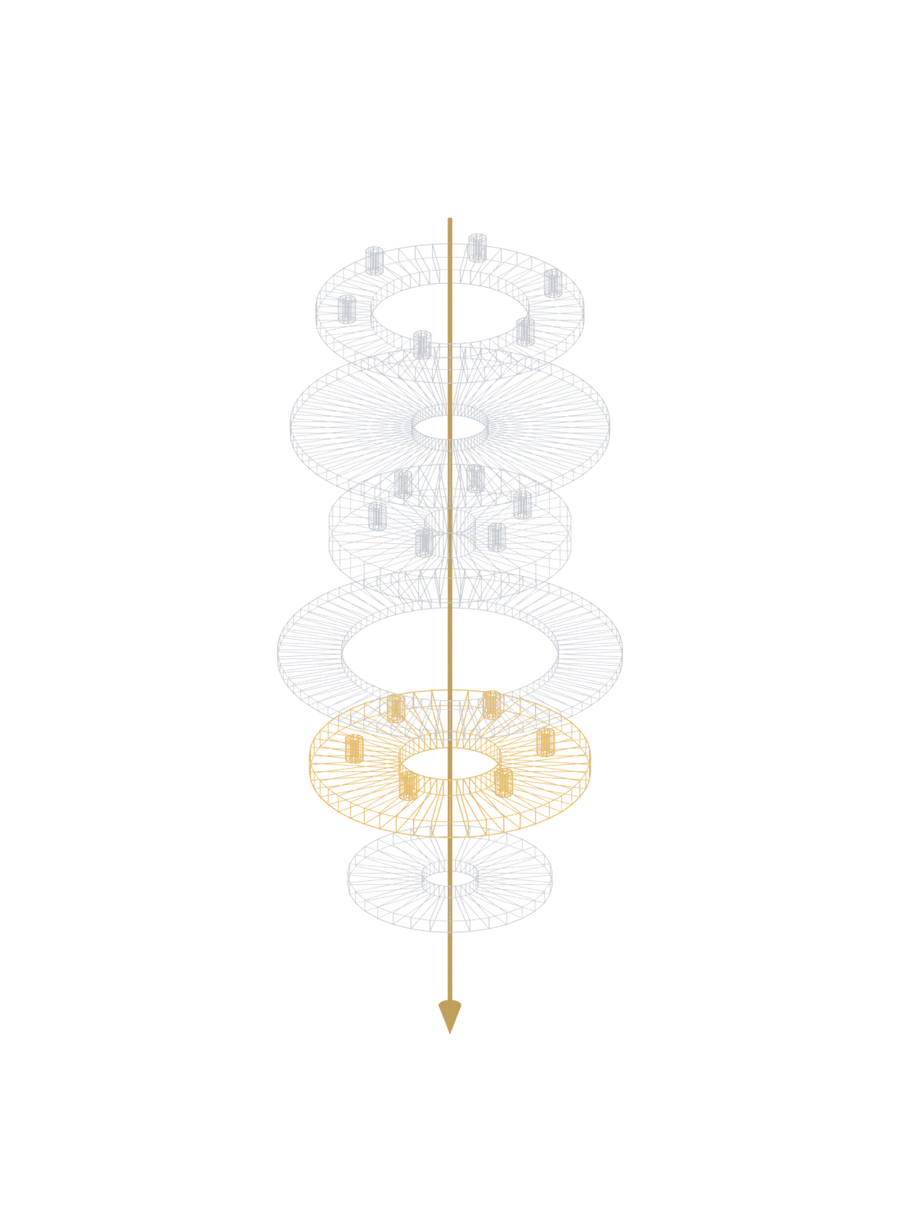
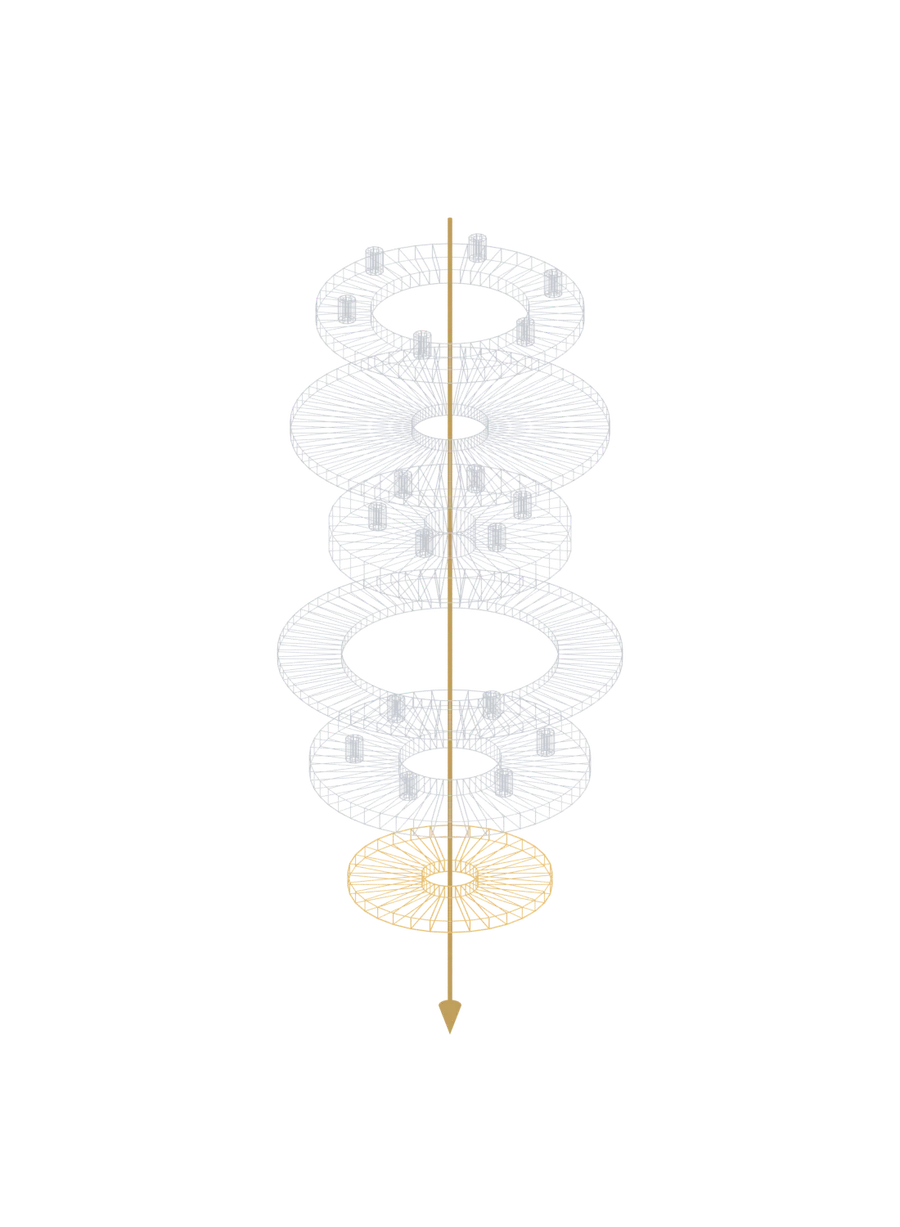
AI engineered for evidence, continuity and control.
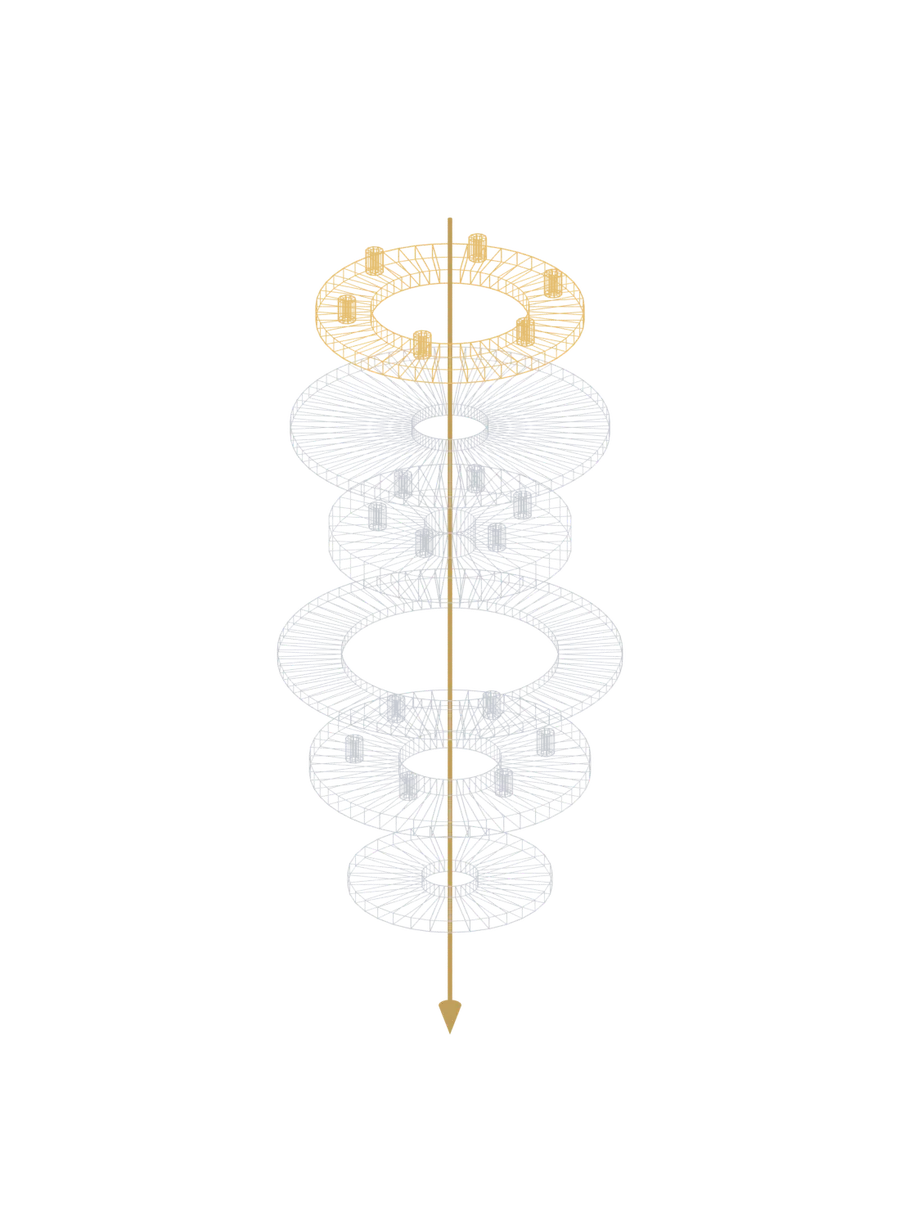
Arki Evidence Engine grounds every answer and every action in your firm’s own records. It checks permissions before it reads anything. It retrieves the evidence each question needs and checks that evidence is current. Then it acts only within the limits you set. That is how Arki carries work forward for your clients without guessing.
1.1Bind every request to a person, a client and a purpose.
1.2Apply permissions before anything is read.
1.3Carry withdrawals through every copy, index and note.
Phase 02
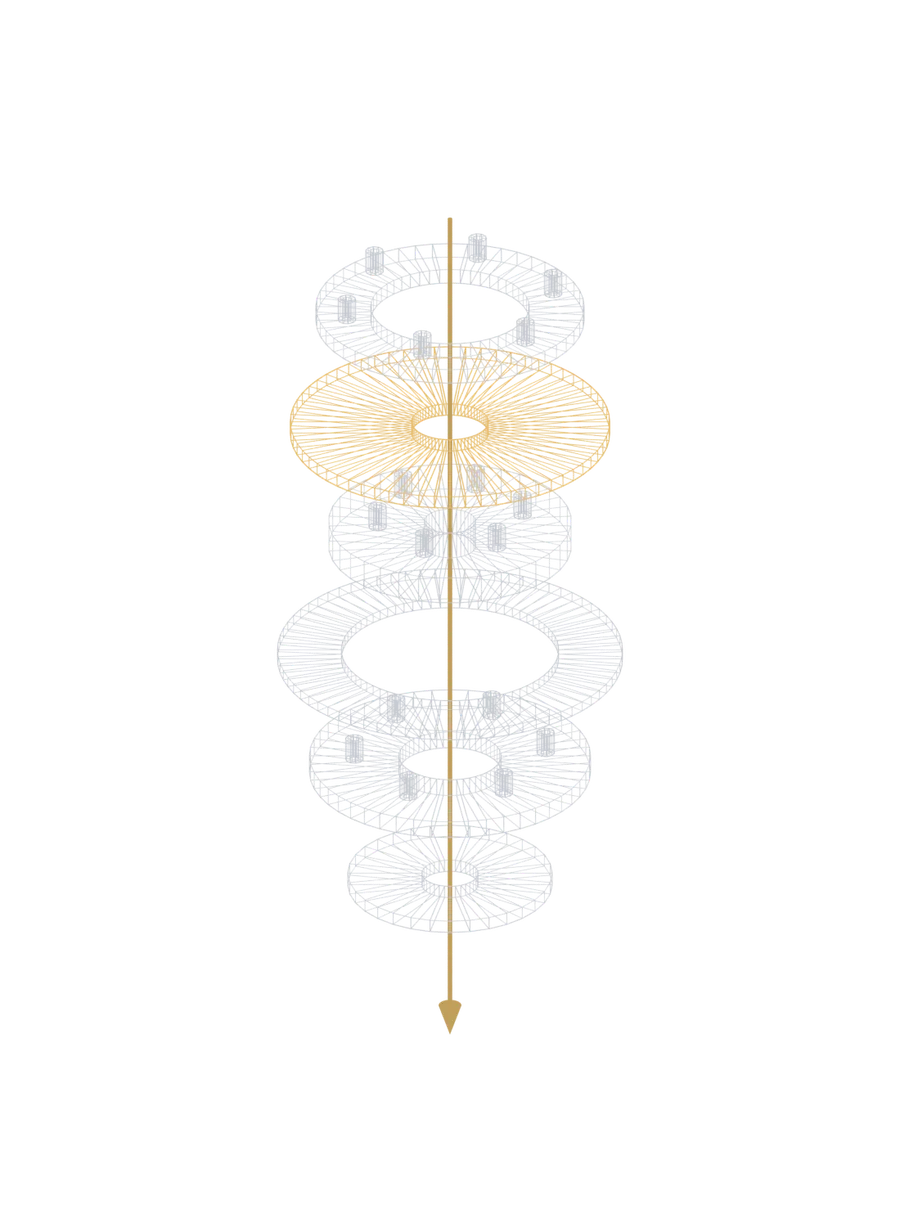
Understand the question
Specification
2.1Identify the client, family and accounts in scope.
2.2Resolve “now”, “latest” and “after” into dates and versions.
2.3Decide what the question needs: a figure, a clause, a summary or a relationship.
Phase 03
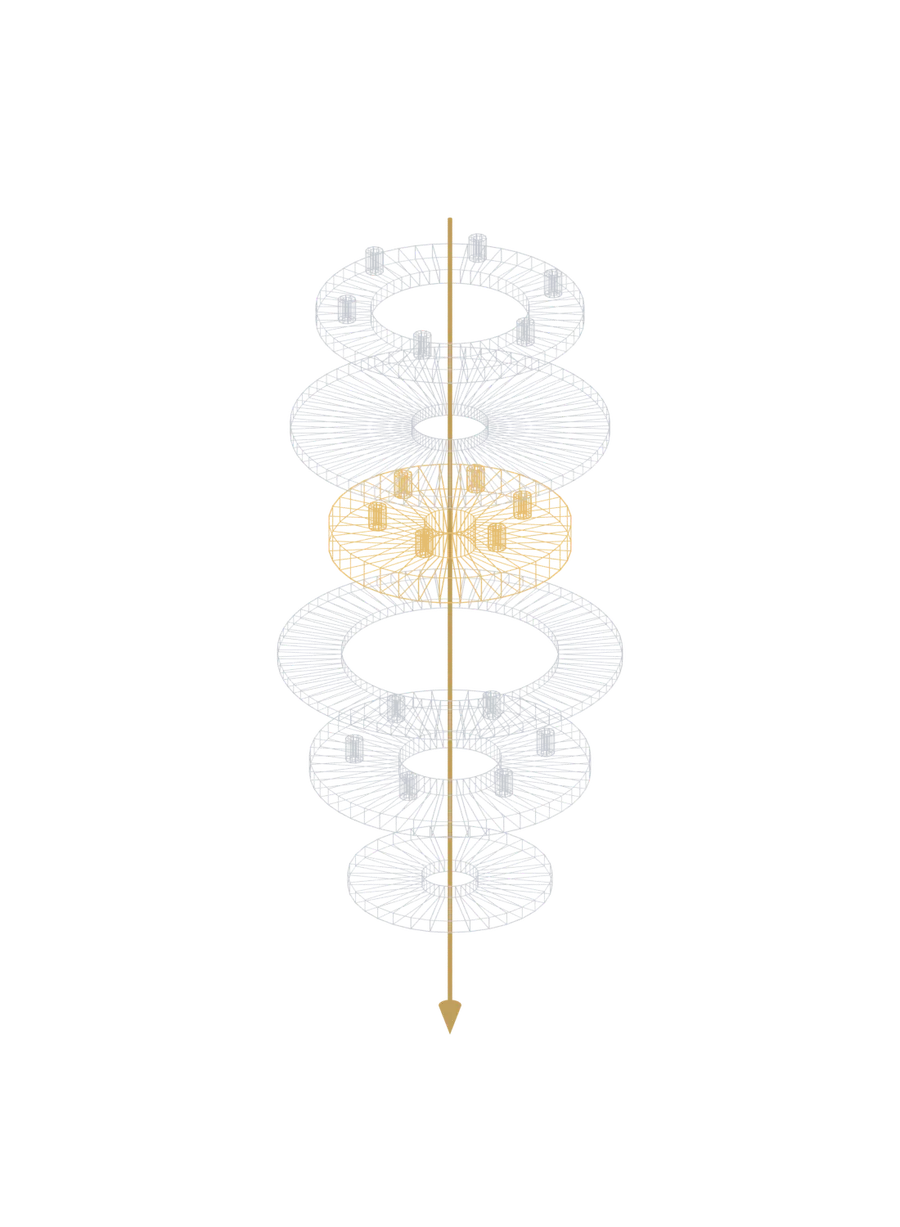
Retrieve the evidence
Specification
3.1Search documents, meeting notes and records by exact term and by meaning, so a clause number and a paraphrase both count.
3.2Read long documents along their structure, so the conditions and exceptions come with the clause.
3.3Gather related documents by topic, so a later amendment isn’t missed.
3.4Follow relationships across family members, entities and authorisations, over time.
Phase 04
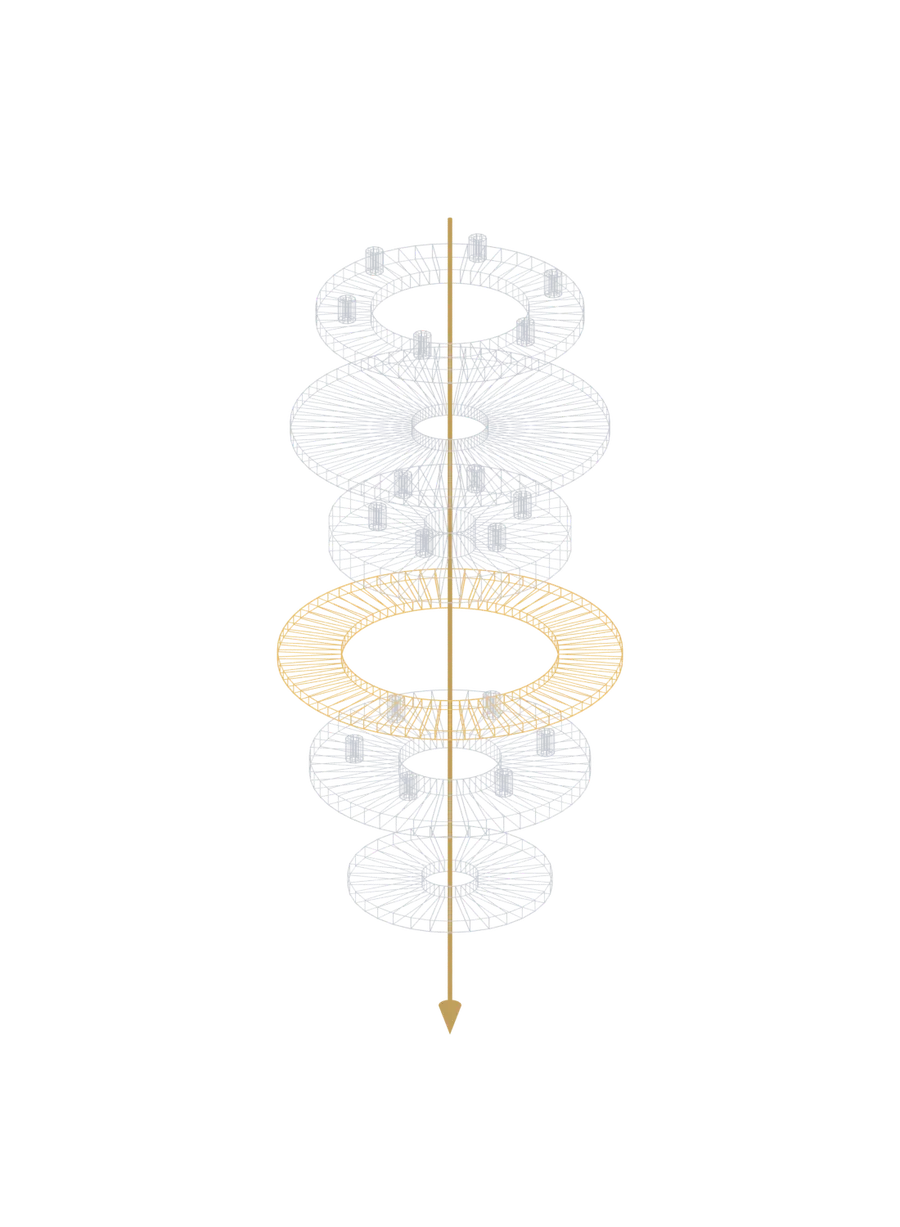
Assemble and check
Language models keep writing even when the facts they need are missing, out of date or in conflict. That is where hallucination starts. So before anything is written, the evidence must pass four checks.
Specification
4.1Coverage: everything the answer depends on is found, including anything that could overturn it.
4.2Validity: permissions, versions, effective dates and withdrawals are checked before evidence is used.
4.3Consistency: conflicts are settled by version and date, and verified figures win over stated amounts. What can’t be settled is shown, never hidden.
4.4Support: every claim must follow from its evidence. What is only likely stays likely; what is unknown is marked unknown.
4.5Then Arki answers with sources, asks for the missing evidence, or declines.
Phase 05
Act within your limits
Specification
5.1Draft, propose or send, as your settings and regulation allow.
5.2Route regulated judgment to your reviewer.
5.3Record every step.
Phase 06
Cite every statement
Specification
6.1Tie each conclusion to its source, page or timestamp.
6.2Hold back any figure the evidence can’t support.
Always on
Learns with your firm
Knowledge updates as new documents and events arrive; only what changed is rebuilt.
Preferences and ways of working are remembered with use, and confirmed by you.
Reviewer corrections and finished tasks feed the next task.